
It’s time to address real, bipartisan issues. Here are a few we can start with.
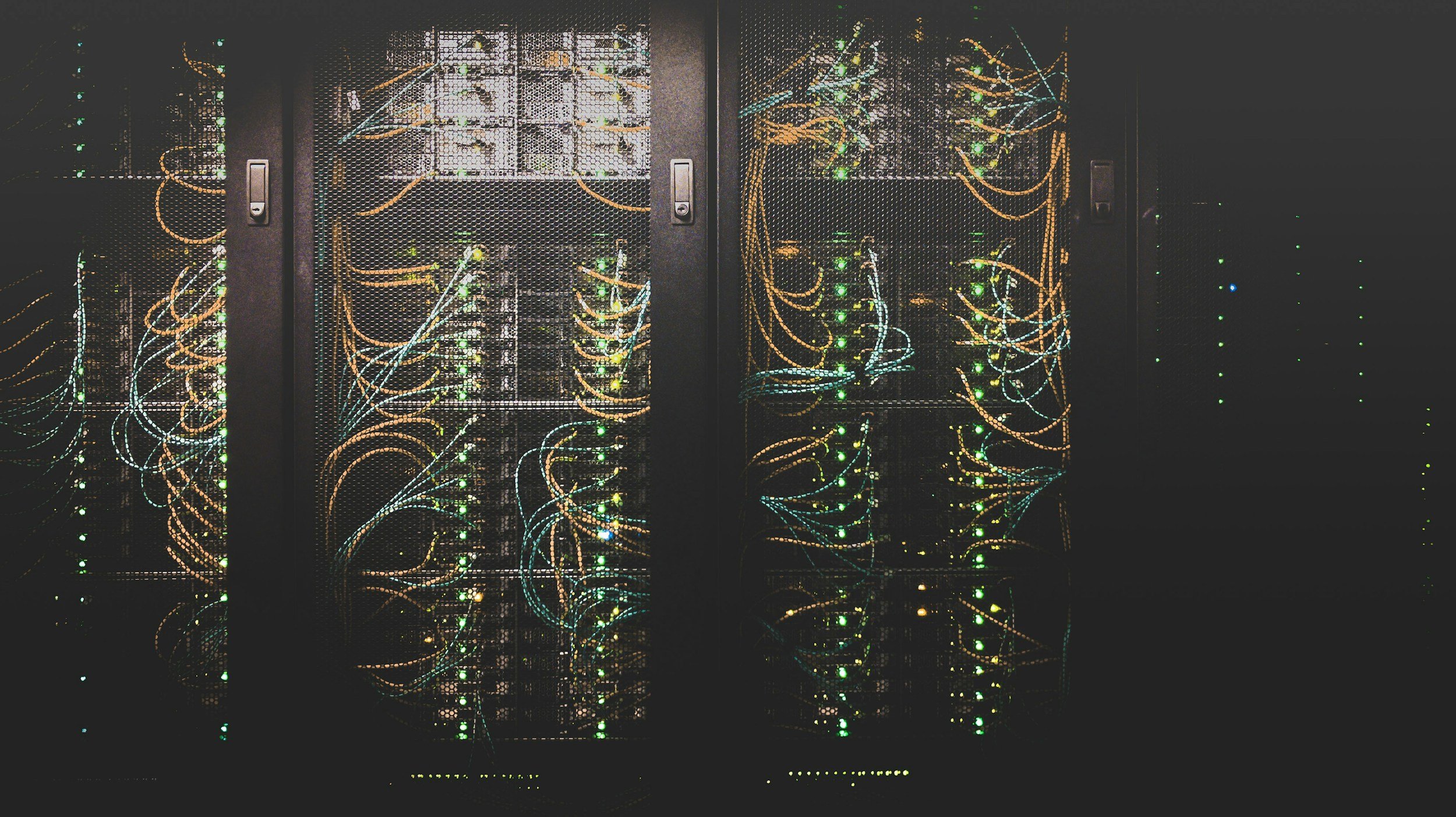
Data Centers
Data centers are not limited to Northern Virginia — they’re right here in our district.
Virginia has more data centers than any other place in the world. Yet artificial intelligence isn’t going anywhere, so we need to plan for the future and regulate accordingly.
Virginia needs to implement third-party reviews of data center environmental and health impacts, require data centers to source their own power, and implement a use and sales tax on all current data centers to disincentivize new construction and reward Virginians with the roughly $2.5 billion in yearly tax revenue that has been left on the table for nearly fifteen years.
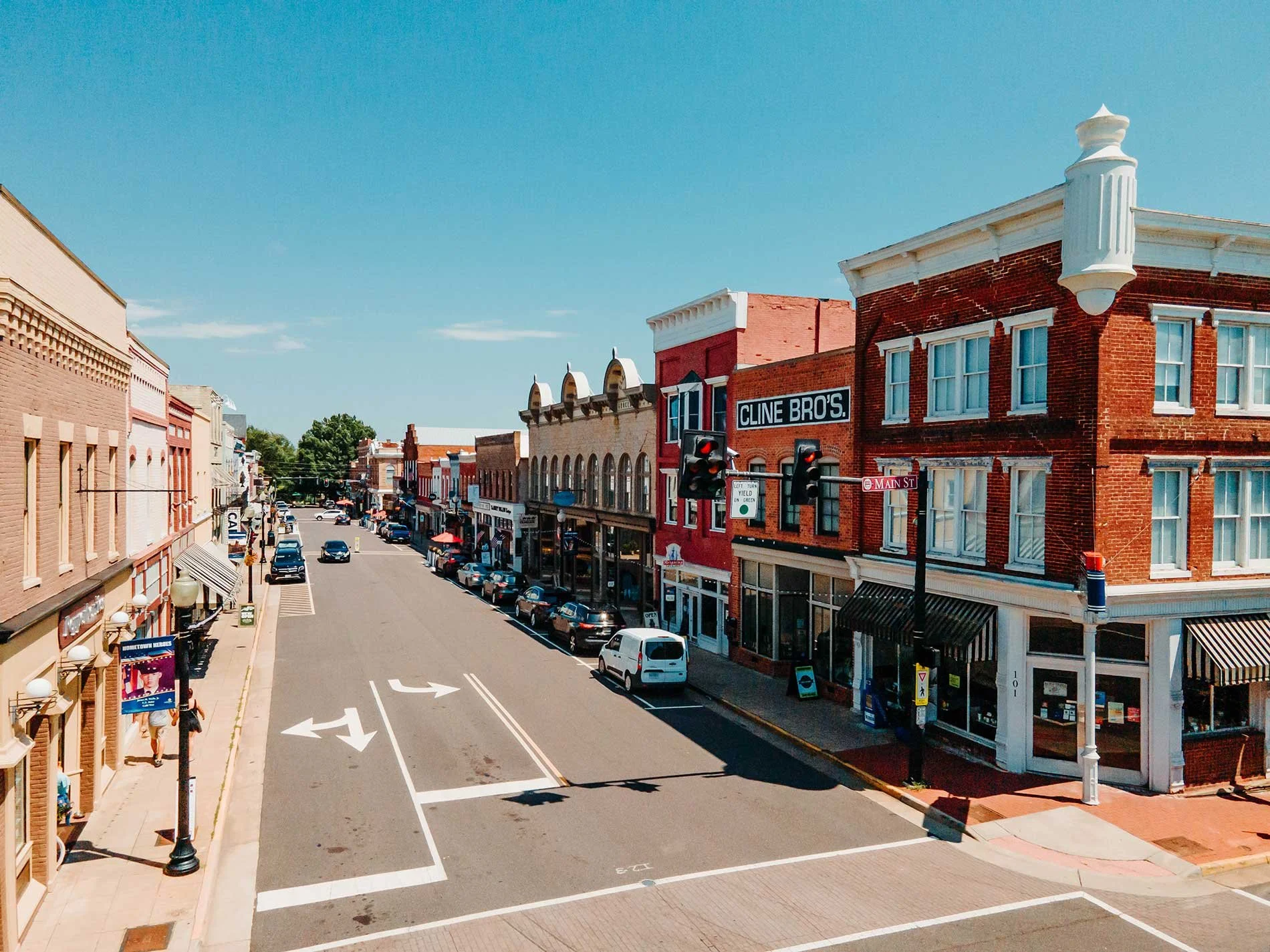
Small Business
Take a drive up Route 11 in the Shenandoah Valley, and you’ll notice something—cute, rural towns hollowed out by the evacuation of businesses now lining Interstate 81. You can see the remnants of the small restaurants and shops that, at their peak, made those towns so lively.
Our district should maintain its rural character. However, without the right incentive structures to support small-business growth and attract new residents, the young people in our district will leave, businesses will be outbid by larger conglomerates, and our towns will hollow out.
There’s no reason towns like Stanardsville, Madison, Culpeper, Gordonsville, and others can’t continue to grow to be the most attractive and lively towns in the Piedmont region.

Education
Our district ranks in the bottom quarter for public education in the state.
We have schools that need rebuilding. Our students are not succeeding because the Virginia Department of Education has failed them.
With the right adjustments, this district can rank among the highest in the state. That means student-based funding, tech-free learning environments, and book-centered learning that moves away from standardized state testing toward a holistic, challenging education.
Our schools should be beautiful places—not prisons.
Income Taxes
The Virginia Income Tax Code hasn't changed since the 1970s. The state uses a flat income tax rate of 5.75% for those making more than $17k a year. That means if you make $17,001 or you make $1,000,000 a year, you get taxed 5.75%.
That isn’t fair.
We need a progressive income tax that doesn’t tax our wealthy residents outlandishly, but taxes them appropriately. It means those of us in the middle class see a reduction in our income taxes.
The government doesn’t have a revenue problem; they have an allocation problem. Adjusting the tax burden must be paired with a smaller, more effective, more budget-conscious government. We have an obligation to use state tax revenue as efficiently as possible.